Welcome to the Angel Hands Chiropractic Blog
Read our posts and join the conversation.

The Shoulder Shrug You Didn’t Know You Were Doing
You are sitting in traffic, running late for something, and without even noticing it your shoulders have inched up toward your ears. Your jaw is tight. Your hands are gripping the wheel a little harder than they need to. A few minutes later you catch yourself and consciously lower your shoulders, only to find them creeping back up ten minutes later.
If this sounds familiar, you are not imagining it, and you are far from alone. This pattern has a name: stress bracing. It is one of the most common physical habits people develop without realizing it, and over time it can leave your neck, shoulders, and upper back feeling tight, sore, or even painful.
Why the Body Braces This Way
When your nervous system perceives stress, it activates a set of muscles across your neck and shoulders as part of an old protective reflex.
This response was originally designed to help the body prepare for physical action. In modern life, the stress rarely resolves through movement, so those muscles simply stay contracted, sometimes for hours at a time.
How It Shows Up Physically
Chronic shoulder bracing often shows up as tightness at the base of the skull, a dull ache between the shoulder blades, or tension headaches that build gradually over the course of a day. Because the tightening happens slowly and without conscious effort, many people don’t notice the pattern until the discomfort is already significant.
Why Awareness Alone Rarely Fixes It
Simply telling yourself to relax your shoulders offers temporary relief at best. The muscles involved are responding to input from your nervous system, not a conscious decision, so the tension tends to return as soon as your attention shifts elsewhere.
Lasting change usually requires addressing both the habit and the alignment issues that develop underneath it.
A Few Simple Ways to Decrease Shoulder Tension
Regular movement breaks, especially ones that stretch the chest and roll the shoulders through their full range, can interrupt the bracing cycle before it sets in for the day.
Paying attention to how you carry tension in specific moments, such as while reading emails or driving, can also help you catch the pattern earlier.
Over time, improving the alignment of your neck and upper back can make it easier for your shoulders to rest in a more relaxed position rather than remaining elevated.
Noticing Is the First Step
Stress bracing is not something to feel discouraged by. It’s simply your body doing what it was built to do, just a little too often for modern life. Noticing the pattern won’t solve everything but it is the first step toward loosening its grip.
If your shoulders and neck feel like they’re in a near-constant state of tension, we suggest having them evaluated. Angel Hands Chiropractic can take a closer look at how stress and alignment are interacting in your body and help you find a way back to feeling looser and more at ease.

What Your Walk Says About Your Spine
Watch someone walk down a street and you can often guess a lot about them before they say a single word: tired, rushed, relaxed, in a hurry. What most people don’t realize is that the way we walk also reveals a great deal about what is happening in the spine, often well before any pain shows up.
Your gait, the pattern of movement you use when you walk, is shaped by how your spine, hips, and legs work together. When something in that chain is out of balance, your walk adjusts to compensate, usually without you noticing at all.
Your Spine Sets the Foundation
The spine is not just along for the ride during walking. It rotates gently with each step, helping to transfer force between your upper and lower body and keep your stride efficient. When one area of the spine is restricted or misaligned, nearby joints and muscles often pick up the extra work, changing your natural rhythm in small but measurable ways.
Common Signs in the Way You Move
A slight favoring of one leg, a shortened stride on one side, or arms that swing unevenly can all point back to spinal imbalance.
Some people notice they consistently wear down the outer edge of one shoe faster than the other, which is often a clue that weight is not being distributed evenly through the body.
The Body Compensates Quietly
These adjustments tend to happen gradually, which is exactly why they can be easy to miss. The body is remarkably good at finding ways to keep moving even when something isn’t working ideally, so a compensation pattern can exist for months or years before it becomes noticeable or uncomfortable.
Left unaddressed, these small compensations can place ongoing strain on the hips, knees, and lower back as they work harder to make up for the imbalance above them. Catching the pattern early often means a simpler path back to comfortable, even movement.
What You Can Do
Paying attention to how your shoes wear, whether one side of your body feels tighter after walking, or if you tend to lean to one side while standing can offer useful early clues.
A trained eye can often spot gait patterns that are difficult to notice yourself, because most of us rarely watch ourselves walk.
If you are curious about what your walk might be telling you about your spine, Angel Hands Chiropractic can take a closer look and help you understand what is happening beneath the surface.
The Role Your Core Muscles Play in Protecting Your Spine
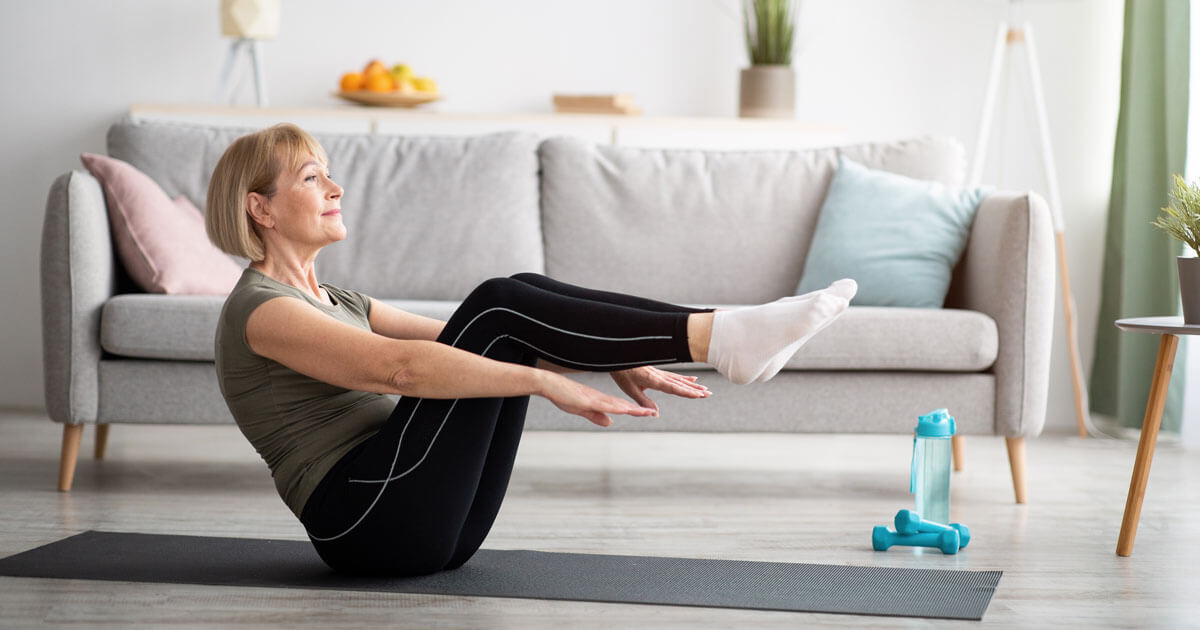
We often think of core workouts as something you do to look better at the beach. Crunches, planks, maybe some leg raises, all in pursuit of a flatter stomach. But your core muscles exist for a much more important reason than aesthetics. They are your spine’s first line of defense, and when they aren’t doing their job well, your back almost always picks up the slack.
Your Core is More Than Your Abs
When most people hear “core,” they picture the rectus abdominis — the muscle responsible for the visible six-pack. In reality, your core is a group of deep muscles that wrap around your entire midsection like a cylinder. This includes muscles along your sides, deep muscles close to your spine, your pelvic floor, and even your diaphragm.
Together, they create what researchers often call the “inner unit” — a system designed to stabilize your spine before your arms or legs even begin to move.
How Core Muscles Protect the Spine
Every time you reach for something, stand up from a chair, or even take a quick step to catch your balance, your core muscles activate slightly before the movement begins. This pre-activation braces your spine and prevents it from being loaded unevenly.
When these muscles are weak, slow to activate, or poorly coordinated, the load shifts to the vertebrae, discs, and joints of your spine instead. Over time, that kind of unmanaged stress contributes to the familiar patterns of low back pain, stiffness, and injury.
Weakness Can Be Hard to Detect
One of the reasons core weakness goes unnoticed for so long is that the body compensates quietly. People often tighten their hip flexors, over-engage their superficial back muscles, or subtly change the way they move to keep functioning without discomfort (at least temporarily).
By the time pain appears, the underlying pattern has often been building for months or even years. This is why addressing core function early, rather than waiting for a problem to emerge, tends to produce better long-term outcomes.
The Core Exercises That Really Matter
Some of the most popular core exercises — like traditional crunches or sit-ups — primarily train the surface muscles rather than the deep stabilizing ones. For spinal health, the more useful goal is endurance and coordination rather than brute strength.
Exercises that train your ability to hold a neutral spine position under load, or maintain stabilization while your limbs are moving, tend to be more beneficial. A chiropractor can assess which patterns are weak or missing for you specifically, and recommend exercises that address the root cause rather than just strengthening what is already dominant.
A Strong Foundation Supports Everything Else
Whether you are recovering from a back injury, trying to prevent one, or simply want to move through daily life with less effort and discomfort, core function is a great place to start. The goal isn’t to have a perfectly toned midsection; it’s to give your spine the support it needs to do its job well, day after day.
If you’ve been dealing with recurring back pain or stiffness that doesn’t seem to resolve on its own, the team at Angel Hands Chiropractic can help you understand what is contributing to it and build a plan to address it. Contact us to schedule a visit.

What Your Posture Looks Like After a Year of Working From Home
If you’ve been working from home for a while, there’s a good chance your body has quietly been keeping score. The kitchen table that became a desk. The couch that turned into a second office.
The hours spent hunched over a laptop with no monitor, no proper chair, and no reason to get up and walk to a meeting. It felt like a temporary situation, but for many people it became the new normal. And posture pays the price.
The Slow Creep of Poor Alignment
One of the tricky things about posture changes is that they happen gradually. Your body doesn’t send an alarm when your head starts drifting forward or your shoulders begin rounding inward. Instead, it adapts.
Muscles that should be working start switching off. Muscles that should be resting get chronically tight. Over months and years, what started as a slightly awkward workspace setup can become a deeply ingrained postural pattern that feels completely normal (even when it isn’t).
Forward Head Posture: The Work-From-Home Signature
One of the most common posture changes seen in remote workers is forward head posture, where the head sits ahead of the shoulders rather than stacked above them.
For every inch your head moves forward, the effective weight it places on your neck and upper spine increases significantly. This puts sustained pressure on the muscles, joints, and discs of the cervical spine (the neck region), which can contribute to neck stiffness, upper back tension, and headaches that seem to come out of nowhere.
What Rounded Shoulders Are Doing Behind the Scenes
Sitting at a low surface with a small screen naturally pulls the shoulders forward and inward. Over time, the muscles across the chest can shorten and tighten while the muscles between the shoulder blades become overstretched and weak.
This imbalance affects both how you look and how your whole upper body moves. Breathing can become slightly shallower. Shoulder mobility can decrease. And the strain can travel further down the spine than most people expect.
Your Lower Back Has Been Trying to Tell You Something
Prolonged sitting — especially in unsupported positions — reduces the natural curve of the lower back (the lumbar curve). When this curve flattens, the load on the spinal discs shifts in ways they weren’t designed to handle for hours at a stretch.
Many people notice this as a dull ache that builds through the afternoon, or stiffness that makes standing up feel like a project.
It’s Not Too Late to Improve Things
The good news is that the body responds well to consistent, targeted attention. Small changes can reduce the daily strain. Try these for a simple start:
- Raise your screen
- Support your lower back
- Take regular standing breaks
But if postural habits have been building for months or years, those deeper compensations often need more than an ergonomic fix. A chiropractic assessment can identify where your alignment has shifted and help restore the function your body has quietly been working around.
If your work-from-home setup has taken a toll, Angel Hands Chiropractic is here to help. Book an appointment and find out what’s actually going on, and what you can do about it.

What Growing Pains in Kids Might Actually Be Telling You
If your child has ever woken up in the middle of the night crying about aching legs, you’ve probably been told it is just growing pains. And in many cases, that reassurance turns out to be true. The discomfort passes, your child goes back to sleep, and life moves on. But “growing pains” is a term that gets used quite broadly, and understanding what it actually means can help you know when there’s something more worth looking into.
What Are Growing Pains, Exactly?
True growing pains typically appear in children between the ages of 3 and 12. They tend to occur in the late afternoon or evening, often after an active day, and most commonly affect the thighs, calves, and behind the knees. Crucially, they do not usually involve the joints themselves, and they do not cause swelling, redness, or limping.
The exact cause is still debated. Despite the name, there is no strong evidence that the pain is directly caused by bones growing. More likely contributors include muscle fatigue, reduced pain thresholds, and in some cases, biomechanical patterns that place extra demand on certain muscles and soft tissues.
When To Pay Closer Attention
The classic presentation of growing pains is generally nothing to worry about. However, not every leg or back ache in a child falls into that category. A few types of pain deserve a closer look:
- Pain that is present in the morning (not just at night)
- Pain that is localized to a specific joint
- Pain that persists for more than a few days
- Pain that is getting progressively worse
The same is true if your child starts walking differently, avoids physical activity they used to enjoy, or complains of back pain — which is less typical of standard growing pains and more often related to posture, muscle imbalance, or the way they are carrying a heavy backpack.
How the Musculoskeletal System Develops in Children
Children’s bodies are remarkably adaptable, but that adaptability has limits. As kids grow quickly, bone growth can temporarily outpace the muscles and tendons attached to them, leading to periods of tightness that affect how they move and hold themselves.
Poor posture habits, prolonged sitting, and heavy backpacks can all add to this load during sensitive developmental windows. Catching and addressing these patterns early tends to have a much bigger impact than waiting until they are teenagers.
What a Chiropractor Can Assess
A chiropractor who works with children can evaluate your child’s posture, gait, and spinal function to identify whether anything beyond typical muscle fatigue is contributing to their discomfort.
The purpose of a chiropractic assessment isn’t to over-treat something that will resolve on its own, but to distinguish normal developmental variation from patterns that would benefit from some support.
Many parents are surprised to find that a few targeted adjustments and some simple stretching guidance can make a noticeable difference in how their child moves and sleeps.
Trust Your Parental Instincts
Parents often have good instincts about when something doesn’t seem quite right with their child. If the aches seem more frequent, more intense, or more limiting than what feels normal, reach out to a professional to take a proper look. You know your child best.
The team at Angel Hands Chiropractic is happy to assess your child and give you a clear picture of what is going on. Contact us to book an appointment!